
Demon Slayer transformed a traditional Japanese concept into one of the most influential manga phenomena of modern times. The series places demons at the center of its narrative, though these creatures are far more than simple villains. Their origins connect directly to centuries of Japanese folklore, religious beliefs, and cultural fears that have evolved across generations.
Readers often associate demons with violence, darkness, and supernatural powers. Japan presents a more nuanced vision. Many legendary creatures occupy a space between monsters, spirits, and cursed beings. This complexity explains why the demons of Kimetsu no Yaiba feel so compelling. They are terrifying, tragic, and surprisingly human.
The success of the franchise comes from its ability to merge ancient traditions with modern storytelling. Characters such as Tanjiro Kamado, Nezuko, and Muzan Kibutsuji embody conflicts that resonate far beyond action scenes. Their struggles reflect themes of family, sacrifice, grief, and redemption.
The world of Demon Slayer resembles a bridge between mythology and contemporary entertainment. Like a shadow stretching across centuries, it carries fragments of old legends into the imagination of a new audience. Understanding the role of demons in Japan reveals why this manga achieved such extraordinary popularity and why its characters continue to captivate fans worldwide.
Demons in Japanese culture and folklore
The concept of demons in Japan differs significantly from Western interpretations. Japanese traditions include a wide range of supernatural entities known as yokai, oni, spirits, and cursed beings. These creatures often symbolize natural disasters, human weaknesses, social fears, or unexplained events.
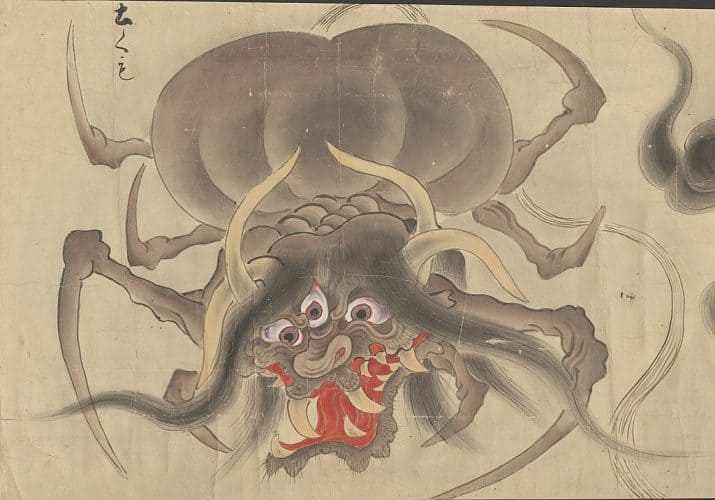
Among the most famous figures are the oni of Japanese mythology. Oni are powerful beings typically depicted with horns, immense strength, and frightening appearances. Historical stories describe them as punishers of evil, destroyers of villages, or supernatural guardians. Their role changes depending on the region and the period in which the legend emerged.
Demon Slayer draws heavily from these traditions. Many fans who collect merchandise or search for detailed anime figures quickly notice how character designs incorporate visual elements inspired by traditional Japanese monsters. Horns, unusual eyes, supernatural transformations, and symbolic colors all reflect folklore influences.
The cultural significance of demons extends beyond fear. Many legends portray monsters as victims of curses, loneliness, or human mistakes. This perspective appears repeatedly throughout Demon Slayer. Rather than presenting evil as purely malicious, the story explores how suffering can transform individuals into destructive beings.
Japanese literature, theater, and visual arts have used demons for centuries to illustrate moral lessons. The manga continues this tradition while adapting it to modern audiences. Readers encounter creatures that are frightening on the surface yet deeply connected to human emotions underneath.
Why are the demons in Demon Slayer so memorable?
Many action manga feature powerful enemies. Demon Slayer distinguishes itself through emotional storytelling. Nearly every major demon possesses a personal history that explains how they became monsters. Their past often reveals pain, regret, or loss.
This narrative approach creates a unique emotional experience. Readers may fear a demon during battle and sympathize with that same character moments later. The contrast adds depth to conflicts that could otherwise become simple fights between heroes and villains.
Muzan Kibutsuji represents the ultimate expression of corruption. His pursuit of immortality transforms countless people into demons. Opposing him stands Tanjiro, whose compassion remains intact despite immense suffering. Their rivalry reflects one of the manga’s central ideas, the struggle between empathy and selfishness.
Another key factor is the visual design. The series combines traditional Japanese aesthetics with modern manga creativity. Distinctive eyes, unique blood demon arts, and memorable costumes ensure that each antagonist leaves a lasting impression.
Collectors frequently seek Demon Slayer figures because the characters possess instantly recognizable appearances. The artistic direction contributes significantly to the franchise’s popularity and helps reinforce the identity of every major demon.
The emotional weight attached to these characters elevates them beyond standard villains. Their stories become an essential part of the reader’s connection to the series.
The influence of Japanese mythology on Demon Slayer
The manga does not simply borrow visual elements from folklore. Its entire structure reflects themes found throughout Japanese mythology. Transformation, spiritual corruption, redemption, and the balance between humanity and monstrosity appear repeatedly in traditional stories.
The legacy of oni and supernatural creatures
Many demons in the series resemble historical depictions of oni. Their extraordinary strength, unusual physical traits, and violent behavior echo legends that have circulated throughout Japan for centuries.
Traditional oni often represented dangers lurking beyond the boundaries of society. Villages used these stories to explain disasters, crime, disease, or unexplained tragedies. Demon Slayer adapts this concept by presenting demons as threats that emerge from hidden darkness within the human world.
The connection extends to visual symbolism. Sharp teeth, horns, supernatural regeneration, and immense physical power all reflect characteristics associated with legendary monsters. Readers familiar with Japanese folklore immediately recognize these influences.
This historical foundation gives the manga a sense of authenticity. Even fantastical elements feel rooted in cultural traditions rather than existing solely for entertainment.
Spiritual themes and human tragedy
Japanese myths frequently blur the line between human beings and supernatural entities. Spirits may become monsters through hatred, grief, jealousy, or despair. Demon Slayer adopts a remarkably similar approach.
Many demons retain fragments of their former humanity. Their memories often resurface near death, revealing tragic experiences that shaped their transformation. These moments emphasize a recurring theme, monsters are not always born, sometimes they are created.
This idea resonates strongly because it reflects universal human experiences. Loss, loneliness, and desperation appear across cultures. The manga uses supernatural storytelling to explore these emotions in a powerful and accessible way.
The result is a narrative that feels both fantastical and emotionally realistic. Readers encounter epic battles while also confronting questions about morality, forgiveness, and personal responsibility.
The role of Tanjiro and Nezuko in the story
Tanjiro Kamado serves as the emotional center of Demon Slayer. Unlike many protagonists driven primarily by revenge, he approaches enemies with compassion. His determination to protect others never erases his ability to recognize suffering.
Nezuko provides one of the manga’s most compelling contradictions. She becomes a demon yet refuses to abandon her humanity. Her existence challenges assumptions about what defines a monster.
Together, the siblings embody the central conflict of the series. Their journey explores whether humanity can survive in the face of overwhelming darkness. Every major encounter reinforces this question.
Their relationship also reflects important values within Japanese storytelling traditions. Family loyalty, perseverance, and self sacrifice remain central themes throughout the narrative. These values help explain why audiences across different countries connect so strongly with the characters.
The emotional bond between Tanjiro and Nezuko acts as the heartbeat of the series. Spectacular battles attract attention, yet the relationship between brother and sister creates lasting emotional investment.
Demon Slayer and its impact on modern manga
The success of Demon Slayer extends far beyond sales figures. The manga influenced the industry by demonstrating that emotionally driven storytelling could achieve massive commercial success while remaining accessible to a broad audience.
Its blend of traditional folklore and contemporary action attracted readers from diverse backgrounds. Longtime manga fans appreciated the cultural references. New audiences discovered Japanese mythology through an engaging and approachable narrative.
The anime adaptation amplified this success dramatically. Exceptional animation, memorable music, and faithful storytelling transformed the franchise into a global phenomenon. Characters became cultural icons recognized far beyond the manga community.
The popularity of Demon Slayer also sparked renewed interest in Japanese folklore, traditional demon legends, and historical mythology. Many readers began exploring the cultural inspirations behind the story, creating a deeper appreciation for the traditions that shaped it.
Demon Slayer proves that ancient myths remain relevant when presented through compelling characters and meaningful themes. The demons of the series are frightening adversaries, though they also serve as reflections of human fears, desires, and vulnerabilities. Their significance in Japan extends well beyond entertainment, connecting modern readers to centuries of storytelling, belief, and imagination.
