
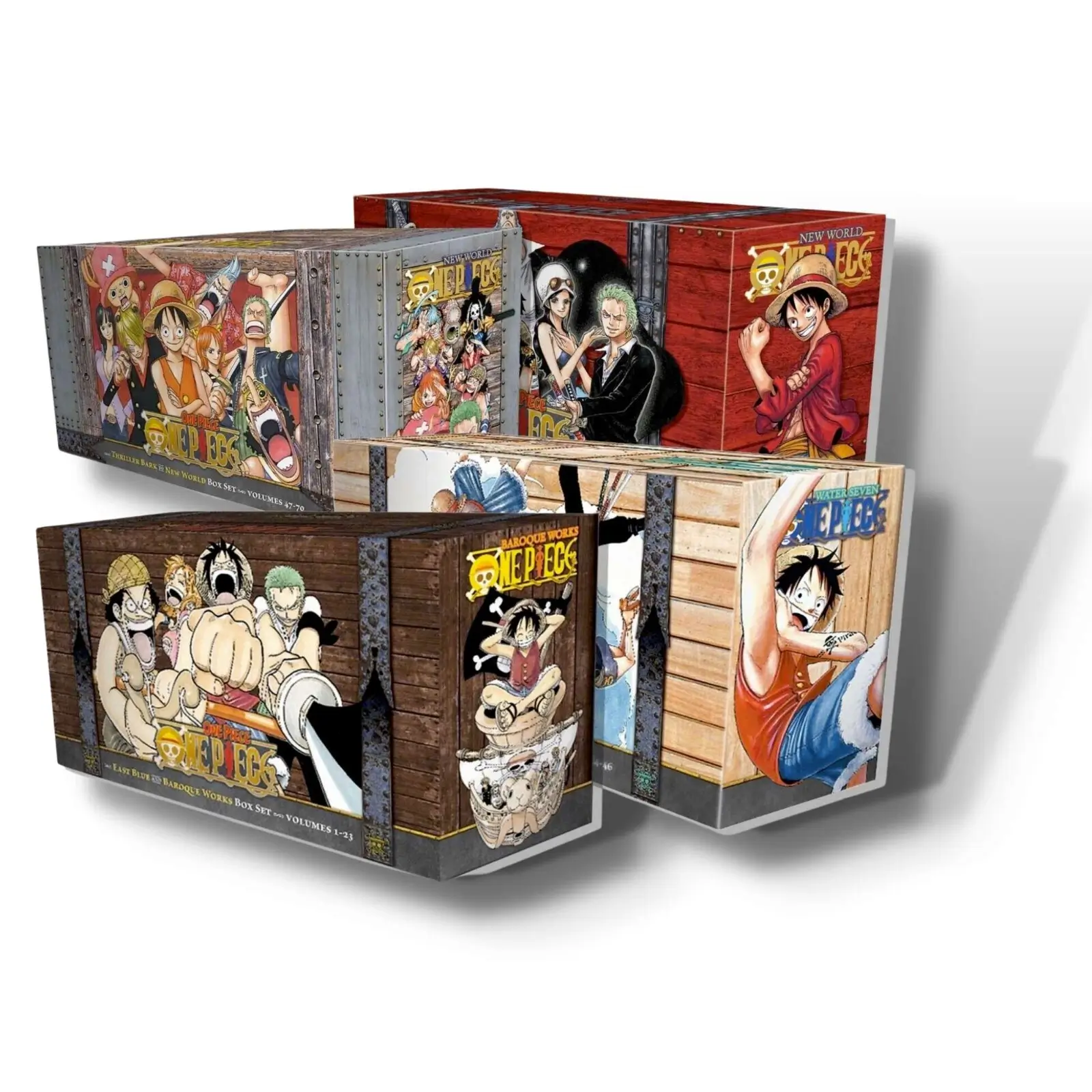
One Piece manga merchandise has become a global phenomenon, far beyond simple fan souvenirs. Walk into any convention or browse online, and you will see shelves filled with collectible figures, clothing, and rare items inspired by Luffy and his crew. The demand never slows down. It evolves. What sells today reflects not only nostalgia, but also the pulse of the anime market itself.
Fans are not just buying objects. They are chasing moments, scenes, emotions tied to the One Piece universe. A well-crafted figurine can feel like capturing a frozen second of adventure, like bottling a piece of the Grand Line. That emotional pull explains why some items sell out in minutes while others stay forgotten.
The diversity is staggering. From limited edition statues to affordable keychains, every price range has its audience. Experienced collectors look for precision, authenticity, and long-term value. New fans often start with iconic characters like Luffy or Zoro, then slowly expand their collection as their passion grows.
Understanding what truly sells, and why, gives a clear advantage. It helps avoid poor-quality products and points directly to items that hold value over time.
Why One Piece merchandise dominates anime sales
The success of One Piece merchandise is not accidental. It is built on decades of storytelling, character development, and cultural impact. The series has created a bond with its audience that few franchises can match. That bond translates directly into purchasing behavior.
Luffy is not just a protagonist. He represents freedom, ambition, and loyalty. Those values resonate deeply, making Luffy figures and collectibles some of the best-selling items worldwide. The same logic applies to Zoro, Sanji, and even villains like Doflamingo.
Collectors also value consistency. The One Piece brand delivers high-quality designs across different product lines. This reliability encourages repeat purchases. Once a buyer trusts a line of figures, they often stick with it.
The availability of products plays a major role. Reliable anime shops make it easier to access authentic merchandise without dealing with counterfeit risks. That accessibility fuels the market and keeps demand high.
Another factor is scarcity. Limited releases create urgency. When a figure is announced as exclusive or produced in small quantities, demand spikes instantly. Collectors know that waiting often means missing out.
Most popular types of One Piece merchandise
The range of One Piece collectibles is vast, but a few categories clearly dominate the market. Each type attracts a different kind of fan, from casual buyers to serious collectors.
- figurines and statues
- apparel and accessories
- posters and wall art
- limited edition collectibles
- gaming and card items
One Piece figures remain the undisputed leaders. Brands release detailed statues that capture iconic scenes with impressive precision. These pieces often become the centerpiece of a collection.
Clothing and accessories appeal to fans who want something wearable. Hoodies, caps, and themed jewelry offer a more subtle way to express fandom. They sell consistently, even outside collector circles.
For those exploring premium options, curated collections like One Piece merch highlight the most sought-after items. These selections often include high-quality pieces that retain value over time.
Limited editions sit in a different category. They are less about everyday enjoyment and more about long-term value. These items often appreciate in price, especially when tied to major story arcs.
How to choose high-quality One Piece collectibles?
Buying authentic One Piece merchandise requires attention to detail. The market is flooded with replicas that look convincing at first glance but lack durability and precision.
The first indicator is craftsmanship. High-quality figures show clean paintwork, accurate proportions, and stable bases. Even small details, like facial expressions, reveal the difference between official and fake products.
Packaging matters more than most people think. Genuine products usually come in well-designed boxes with clear branding. Poor packaging often signals a counterfeit item.
Price can also be a clue. If a deal looks too good to be true, it often is. Authentic anime collectibles come with a certain cost due to licensing and production quality.
Collectors often rely on trusted retailers and known brands. Over time, this habit reduces risk and ensures consistent quality across purchases.
Which One Piece items gain value over time
Not every One Piece collectible becomes valuable. Some items remain stable, while others increase significantly in price. Understanding the difference helps make smarter choices.
Limited production runs are the strongest indicator of future value. When an item is produced in small quantities, scarcity naturally drives demand. As availability decreases, prices rise.
Figures linked to major story moments often perform well. A statue capturing a key battle or transformation tends to become iconic. Fans want a physical reminder of those moments.
Condition plays a critical role. Items kept in pristine condition, especially in their original packaging, maintain higher value. Exposure to sunlight, dust, or humidity can reduce resale potential.
Some collectors treat their purchases like investments. They track releases, follow trends, and anticipate which characters or arcs will gain popularity. It is a mix of passion and strategy.
Building a One Piece collection that stands out
Creating visual impact at home
A strong One Piece collection is not only about quantity. Presentation matters. Displaying figures in a thoughtful way transforms a simple shelf into a visual experience.
Lighting can change everything. Soft LED lights highlight details and create depth. Arranging figures by theme or arc adds coherence. It tells a story rather than showing random items.
Spacing is important. Overcrowding reduces visibility and impact. Giving each piece room to breathe allows its design to stand out.
Some collectors recreate scenes using multiple figures. This approach adds dynamism and makes the collection feel alive.
Starting small and scaling smart
New collectors often feel overwhelmed by the number of available products. Starting with a few iconic One Piece figures is the best approach.
Luffy, Zoro, and Nami are safe choices. They are widely available and represent the core of the series. From there, expanding toward secondary characters adds depth.
Budget management is essential. It is easy to overspend when new releases appear constantly. Setting priorities helps maintain control while still enjoying the process.
Over time, a collection becomes personal. It reflects individual taste, favorite arcs, and emotional connections to the story.
Current trends in One Piece merchandise
The One Piece market evolves quickly. Trends shift based on anime releases, new arcs, and character popularity. Staying updated helps identify what is worth buying.
High-end statues are gaining traction. These pieces offer exceptional detail and larger scale, appealing to serious collectors. They are expensive, but often retain value.
Minimalist merchandise is also growing. Simple designs, subtle references, and wearable items attract fans who prefer discretion over flashy visuals.
Collaborations with fashion brands and artists bring fresh energy. These limited releases often sell out fast and become highly collectible.
Digital influence cannot be ignored. Social media showcases collections, unboxings, and rare finds, driving demand for specific items almost overnight.
The future of One Piece manga merchandise looks strong. As long as the story continues to inspire fans, the demand for tangible pieces of that universe will remain just as powerful.
