
Introduction to Polyurethane Foam Insulation
In today’s fast-evolving construction and industrial sectors, materials that combine efficiency, durability, and sustainability are in high demand. One such material is Polyurethane foam insulation, a highly versatile solution widely used across building, automotive, refrigeration, and transportation industries.
Among its many forms, Rigid polyurethane foam stands out as a premium insulation and structural material. It delivers outstanding thermal performance, lightweight construction benefits, and long-term reliability, making it a preferred choice for engineers and manufacturers worldwide.
This article explores the properties, applications, and benefits of polyurethane-based foams, focusing on how they are transforming modern infrastructure and industrial design.
What is Polyurethane Foam Insulation?
Polyurethane foam insulation is a high-performance material created through a chemical reaction between polyols and isocyanates. The result is a cellular structure filled with gas, which gives the foam its exceptional insulating properties.
One of the key reasons for its popularity is its extremely low thermal conductivity, typically between 0.022 and 0.028 W/m·K, making it one of the most efficient insulating materials available today.
It is available in different densities ranging from 33 to 60 kg/m³, depending on the application. Whether used in walls, refrigeration units, or structural panels, it offers long-term stability and excellent energy efficiency.
Rigid Polyurethane Foam in Industrial Applications
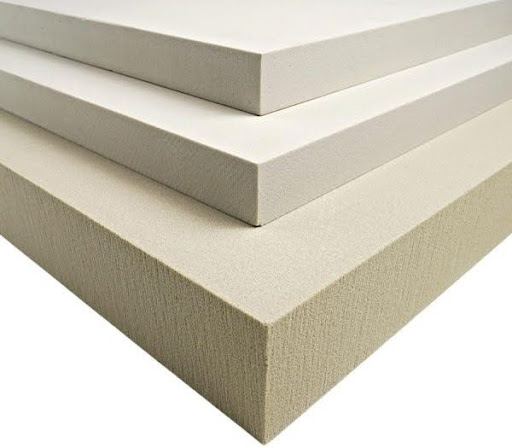
Rigid polyurethane foam is widely recognized for its strength and insulating performance. It is used in sheet form, CNC-cut components, and custom-engineered panels for a variety of industrial applications.
Originally developed in the mid-20th century, polyurethane materials have evolved into essential components across industries such as:
- Construction and building insulation
- Automotive manufacturing
- Refrigeration systems
- Marine and aerospace engineering
- Furniture and interior design
Rigid foam is especially valuable in composite panels used for cold storage rooms and refrigerated transport vehicles, where temperature control is critical.
Its ability to bond with different materials also enhances its adaptability in modern engineering projects.
Key Properties of Rigid Polyurethane Foam
The success of Rigid polyurethane foam lies in its unique combination of physical and chemical properties.
1. Excellent Thermal Efficiency
Its low thermal conductivity allows it to outperform many traditional insulation materials. This makes it ideal for energy-efficient buildings and refrigeration systems.
2. High Strength-to-Weight Ratio
Despite being lightweight, rigid foam provides excellent structural strength, making it suitable for load-bearing applications in construction and transport.
3. Chemical and Moisture Resistance
It offers resistance to oils, solvents, styrene, and polyester resins. Additionally, it has strong resistance to moisture and mildew, ensuring long-lasting performance.
4. Versatile Manufacturing Options
Available in densities ranging from 35 to 200 kg/m³, rigid foam can be customized for different industrial requirements, including fire-rated applications.
Structural Applications of Polyurethane Foam Insulation
Beyond insulation, Polyurethane foam insulation is widely used as a structural material in demanding industries.
It plays an important role in:
- Rail and public transport systems
- Marine boat construction
- Aircraft and aerospace components
- Military vehicles
- Bus and coach manufacturing
- Composite furniture design
In these applications, rigid foam acts as a core or filling material, providing stability while keeping the overall structure lightweight.
High-density foams can even support extreme loads, demonstrating their exceptional engineering capability.
Phenolic Foam and Fire Safety Performance
Alongside polyurethane systems, phenolic foams are also used in advanced insulation solutions. These materials are known for their exceptional fire resistance.
Phenolic foam does not melt, drip, or spread flames when exposed to fire. Instead, it produces very low smoke and minimal toxic gases, making it highly suitable for safety-critical environments.
It can achieve several international fire safety certifications, including:
- EN 13501-1 Euro Class B-s1-d0
- UK Class O
- German B1
- French M1
- Scandinavian Class 1 standards
In building systems, phenolic insulation can provide up to 2 hours of fire resistance, making it suitable for high-rise construction and ventilated façade systems.
This level of safety enhances the overall reliability of modern insulation technologies.
Thermal Performance and Energy Efficiency
One of the strongest advantages of Rigid polyurethane foam is its exceptional thermal resistance.
Closed-cell foam structures trap gas within tiny cells, preventing heat transfer. This results in thermal conductivity as low as 0.018 W/m·K in phenolic variants, making it one of the most efficient insulation systems available.
Key benefits include:
- Reduced energy consumption
- Lower heating and cooling costs
- Thin insulation layers with high performance
- Long-term thermal stability
This efficiency allows architects and engineers to meet strict building energy regulations while maximizing usable space.
Moisture Resistance and Durability
Moisture control is a critical factor in insulation systems. Polyurethane foam insulation offers excellent resistance to water vapor due to its closed-cell structure.
Even if minor damage occurs, moisture ingress remains localized rather than spreading throughout the material. This non-wicking property ensures long-term durability and structural integrity.
As a result, it is widely used in environments where humidity, condensation, or water exposure is common, such as:
- Cold storage facilities
- Marine environments
- Underground constructions
- HVAC systems
Environmental Benefits of Polyurethane Foam Insulation
Modern insulation materials are increasingly judged by their environmental impact. Polyurethane foam insulation contributes positively to sustainability goals in several ways:
- Reduces building energy consumption
- Helps lower CO₂ emissions
- Available in CFC-free and HCFC-free forms
- Supports green building certifications
By improving thermal efficiency, it reduces reliance on heating and cooling systems, which directly lowers environmental impact over time.
Manufacturing Expertise and Industry Innovation
Companies like Acoustafoam, established in 1979, have played a significant role in advancing foam technology. With decades of expertise in acoustic and foam-based solutions, they have expanded into industries such as automotive, marine, filtration, and construction.
Modern production includes:
- CNC-cut foam components
- Sheet-based manufacturing
- Custom molded solutions
- Technical design support
This innovation-driven approach ensures that Rigid polyurethane foam products meet the evolving needs of global industries.
Applications Across Industries
The versatility of Polyurethane foam insulation allows it to be used in a wide range of sectors:
- Construction: Wall insulation, roofing panels, external insulation systems
- Refrigeration: Cold storage panels and transport containers
- Automotive: Lightweight structural and soundproofing components
- Marine: Hull insulation and buoyancy systems
- Industrial: Machinery enclosures and thermal protection systems
Its adaptability makes it one of the most widely used engineered materials in the modern world.
Conclusion
Polyurethane foam insulation and Rigid polyurethane foam represent a major advancement in insulation and structural materials. Their combination of thermal efficiency, mechanical strength, moisture resistance, and versatility makes them essential in modern construction and industrial applications.
From energy-efficient buildings to refrigerated transport systems and high-performance structural components, these materials continue to shape the future of engineering. With ongoing innovation and environmental improvements, polyurethane-based foams are set to remain a cornerstone of sustainable and high-performance design solutions.
